

Business consultants
Labor Law / FLSA Compliance Consultants: 7
Liability Program Management Consultant John Beringer
John M Beringer Jr
Principal
4250 Park Newport, Suite 308
Newport Beach CA
92660
USA
phone: 714 458 7045
fax: 714 458 7045

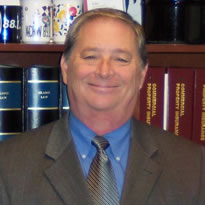 Mr. Beringer is the Principal of Beringer & Associates (B&A) and Liability Program Management (LPM). These Firms provide business liability program management, including analysis of current risk exposures involving Labor Code, Safety, and Regulatory exposures, litigation management, Workers' Compensation analysis, analysis of insurance conduct, analysis of risk exposure for self-retentions, and insurance contracts.
Mr. Beringer, as their Liability Claims Manager, was responsible for various Joint Powers Authority organizations (including ICRMA, BICEP, PERMA, and ERMA). The membership included thirty-eight individual cities in Los Angeles County, Riverside County, and Orange County for administering and resolving their Joint Power program's liabilities.
He also created litigation controls, risk retention mechanisms, and modified their Memorandums of Coverage for BICEP and ICRMA. Mr. Beringer has also provided talent for successfully overseeing Government Code matters, including dangerous conditions, FEHA/DFEH, excessive force, and Civil Rights violations on behalf of Joint Authorities.
Responsibilities included significant case handling for exposures more than the client's self-insured retention through various levels of reinsurance in the United States/offshore venues up to and inclusive of $50.0 million in an exposure. Since January 2000, the firm has provided risk analysis, insurance coverage and claim handling analysis, and management services to the insurance, construction, and transportation sectors. He has also been engaged to provide analysis of construction defect exposures, including review of risk exposure coverage; Labor Code exposures, including assisting with the administration of prevailing wage in California; to assist with operational concerns, coordination, risk management, Workers' Compensation underwriting, and executive management.
Mr. Beringer has provided expert/consultant services to plaintiff and defendant counsel in insurance coverage, including EPLI, General Liability, Workers’ Compensation, Professional Liability, Reinsurance, D&O, and property coverage. Areas of expertise include claim handling, damage evaluation (personal injury and property damage), professional adjustment standards (via carrier and TPA), and evaluation of attorney fees in Lodestar and FEHA matters.
Mr. Beringer started in the insurance industry with the Automobile Club of Southern California in 1969, completing his insurance career in 2000.
Employment Law Consultant Charles Taylor
Charles Trudrung Taylor
Attorney
516 West Shaw Avenue
Ste. 200
Fresno CA
93704
USA
phone: (559) 281-5484
Vocational Psychology Consultant Kenneth Manges
Dr. Kenneth J. Manges,ABVE, CVE, CFP
Psychologist & Vocational Specialist
Serving OH, KY, IN, IL, WV, SC, MS, TN
810 Sycamore Street
Suite 100
Cincinnati OH
45202
USA
phone: 513-784-1333
fax: 513-338-1920

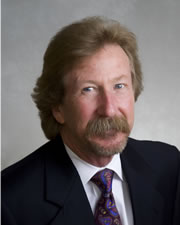
 Dr. Kenneth J. Manges is a Vocational and Psychological Expert with over 30 years of experience. He is certified in Forensic Psychology, Emotional Trauma, Wage Loss, Disability, and Crisis Intervention and is recognized as an Expert in Post Traumatic Stress Disorder.
Dr. Manges is qualified to testify in both federal and state courts and has provided expert opinion testimony for plaintiff and defense.
Specialties Include:
- Cognitive Behavior Therapy
- Post Traumatic Stress Disorder Evaluation & Treatment
- Forensic Testimony (Consultation, Evaluation Treatment Following Trauma or Injury)
|
Economic Employment Consultant Malcolm Cohen
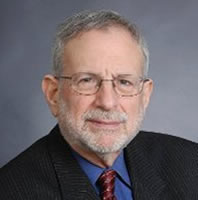
Malcolm S. Cohen, PhD
President
2661 Emerald Ave
Ann Arbor MI
48104
USA
phone: 734-846-0549
Human Resources Consultants HRM Consulting
Beth De Lima
2050 Gateway Place, Suite 100-177
San Jose CA
95110
USA
phone: 209-728-8905
fax: 209-728-8970
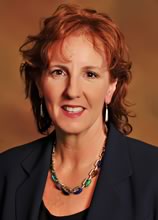
Human Resource Consultant Jean Seawright
Jean L. Seawright, CMC
President
100 E. Ventris Avenue
Maitland FL
32751
USA
phone: 407-645-2433
fax: 407-645-3923
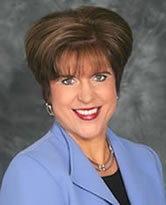
Human Resources Consultant Maureen Clark
Maureen Clark, SPHR-CA
CEO
356 Hedge Road
Menlo Park CA
94025
USA
phone: 650-328-1165
fax: 650-328-1166
Featured resources

by Elayne Angel
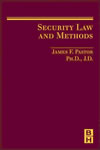
by James F. Pastor, PhD, JD
by Lorne G. Everett, PhD, et al
Follow us


