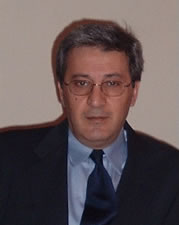
Expertise: Specializing in applications of clinical psychiatry to legal issues in civil and criminal matters at the interface of Psychiatry and the Law. Has served as an evaluator or expert witness in about three hundred cases in State and Federal courts in matters relating to:
| Mental State at the Time of the Offense EvaluationsInsanity Defense / Diminished CapacityCivil & Criminal Competency EvaluationsCompetency to Stand Trial / Competency to Waive Miranda RightsTestamentary Capacity / Testimonial Capacity / Informed ConsentCapital Sentencing & MitigationRisk of Violence AssessmentsSex OffendersSexual HarassmentWorker's Compensation | Independent Medical Evaluations / Psychiatric DisabilityPersonal Injury / Pain & Suffering / Emotional DistressWorkplace Violence AssessmentsDiscriminationEvaluations under Americans With Disabilities ActFitness for DutyPsychiatric MalpracticeToxic TortProduct Liability |
Professional Background: Certified by ABPN in Psychiatry and Forensic Psychiatry. Assistant Professor of Psychiatry and Director of Psychiatry and Law Program at MCP Hahanemann University. Director of Psychiatry & Law Program and Director of Correctional Mental Health Services Program/Provider of Mental Health Services for the City of Philadelphia Prison System. Formerly Director of Psychiatry & Law Program at the Medical College of Virginia. M.D. Degree -University of Massachusetts. Psychiatry Residency & Forensic Psychiatry Fellowship -Tulane University Medical Center.
Competency To Make A Will: Testamentary Capacity / Undue Influence
Wills are generally contested either on the grounds that the testator lacked Testamentary Capacity (was incompetent to make a will at the time of signing it) or the testator, because of his/her mental state, was subject to Undue Influence (i.e. if there is evidence of coercion, manipulation, deception, compulsion, intimidation, etc.) or an Undue Influence secondary to a thought disturbance (such as delusions affecting the testator's free will in making decisions).