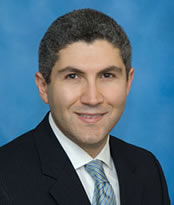
Lee M. Whitesides, MD is a Board-Certified Oral & Maxillofacial Surgeon with more than 30 years of clinical experience in Oral Surgery, Dental Implant Reconstruction, and Anesthesia. He also holds a Master's Degree in Medical Science in Anesthesia and has worked in a hospital setting as an anesthetist, providing extensive experience in patient safety, sedation, and perioperative care
Over the course of his career, Dr. Whitesides has practiced successfully in large group practices, as an independent contractor, and in solo private practice, giving him broad insight into clinical standards and practice operations. He has authored or contributed to more than 25 professional publications and remain committed to evidence-based practice and high standards of patient care.
Litigation Support - Dr. Whitesides is available to review cases for both plaintiff and defense counsel. He provides thorough, objective, and unbiased evaluations along with honest assessments of the facts as they relate to the applicable standard of care. His goal is to deliver clear, credible, and professionally supported opinions regarding treatment decisions, outcomes, and clinical documentation.
Areas of Expertise:
- Oral and Maxillofacial Surgery
- Dental Implant Placement
- Wisdom Tooth Extractions
| - Diagnosis and Treatment of Dental Infections
- All-on-Four Implant Reconstruction
- Office-based Anesthesia
|
View Dr. Whitesides' Consulting Profile.
By: Dr. Lee (Mac) Whitesides
Oral cancer is the sixth most common malignancy diagnosed in the United States. It represents 3 to 5% of all cancers in America. This translates in over 43,000 new cases of oral cancers yearly (1996 figures). In 1996 in the U.S., there were 8,260 deaths directly attributed to oral cancer. In the state of Georgia, 680 new cases of oral cancer were diagnosed, and 190 deaths occurred from oral cancer in 1996.
By: Dr. Lee (Mac) Whitesides
As dentistry becomes more competitive, dentists are increasingly looking at unique ways to separate their practices and develop a niche. One such niche lies in the offering of patients' sedation and/or general anesthesia, commonly called "sleep dentistry" during the dental treatment. Since studies show 30% to 50% of Americans avoid the dentists because of fear issues, providing such a service appears to serve a need.
By: Dr. Lee (Mac) Whitesides
A new complication from treatment with bisphosphonates has become an important disease condition for the dental professional to recognize. Bisphosphonate-related osteonecrosis of the jaw (BRONJ) manifests itself as devitalized exposed bone in the maxillofacial region. Patients may be considered to have BRONJ, if all three of the following are presented simultaneously:
By: Dr. Lee (Mac) Whitesides
Injuries to the inferior alveolar and lingual nerve continued to be a significant source of litigation for the dental professional. Approximately 10% of cases of dental malpractice are a result of nerve injury. Perhaps the genesis of the high number of lawsuits proportional to the overall number of surgeries lies in the sequelae of a nerve injury. The sequelae can range from relatively minor annoying numbness to intractable pain and the anesthesia to the area of the nerve supply.
By: Dr. Lee (Mac) Whitesides
Supernumerary teeth in the absence of syndromes such as cleidocranial dysplasia or Gardner's is a rare event1-3. The most common supernumerary tooth is the mesiodens which appears in the maxillary midline.3 The exact etiology of supernumerary teeth is unclear but many theories exist in an attempt to explain why extra teeth are present in some individuals.