

Business consultants
Cranes - Hoists and Rigging Accident Reconstruction Consultants: 7
Construction Consultant Ronald Tyson
Ronald Tyson
President
565 N. Ortonville Road
Ortonville MI
48462
USA
phone: 248-230-9561
fax: 247-627-4774
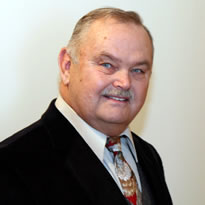
Ronald Tyson is a Building and Premises Expert in the construction business for over 45 years. He has years of hands on experience in the individual trades as a tradesman, subcontractor and general contractor.
Mr. Tyson has been a Michigan licensed builder since 1967 and has functioned as a general contractor and provided supervisory tasks for Tyson Enterprises, Incorporated and other contractors on all types of industrial, public, commercial and residential construction projects since 1963. He is a member of numerous building code and standard authorities, including but not limited to IBC [BOCA, UBC] NFPA, IAEI, NAHB, etc.
Mr. Tyson's experience and expertise can help clients with contracts, safety, and other obligations as they may affect project control of contractors and/or project managers. He can advise on the duties in new and remodeling construction and maintenance required by the premises owner.
Litigation Support - Mr. Tyson has served the legal community as a Construction Expert Witness for 35 years. He has worked for both plaintiff and defendant attorneys. He is available to perform onsite inspections, research, review litigation matters, makes drawings, interview litigants, and provides evidence for court, including correct building code and life safety statutes and standards as they may affect personal injury claims, construction, contracts, etc. and causation. Mr. Tyson has never been disqualified in over 200 times in court.
Areas of Expertise:
|
|
Mechanical Engineering Consultant Bransford Pickett
Bransford Pickett, PE
PE Mechanical Engineering
1356 Santa Olivia Road
Chula Vista CA
91913
USA
phone: 619-977-7693
fax: 619-781-8752

Engineering Consultant Michael Wright
Michael C. Wright, PE, CSP, CPE
President
9363 Detrick Jordan Pike
New Carlisle OH
45344-9140
USA
phone: 937-964-1900
fax: 937-964-8457

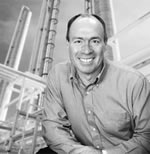 Michael C. Wright, PE, CSP, CPE is a Professional Engineer with over 35 years of academic, practical, and specialized knowledge of Engineering, Construction, Safety, Maintenance, Demolition and Training in general industry and construction activities.
Mr. Wright's expertise is a definite plus in providing clients with leading edge information and insight. A licensed and practicing engineer, he rounds out his knowledge as a Certified Safety Professional (CSP) and Certified Plant Engineer to provide an insightful and accurate understanding of the issues involved in a case.
Mr. Wright has completed over 600 hours of specialized safety training, serves on ANSI and ASTM Standards committees and provides a thorough knowledge of OSHA Regulations, Directives and Letters of Interpretation. A recognized author, presenter, and trainer, Mr. Wright communicates the issues clearly for all to understand. His expert witness experience is a balanced blend of defense, plaintiff and OSHA Solicitor cases. He is licensed in 46 states.
Areas of Expertise:
|
|
View Mr. Wright's Curriculum Vitae
Forensic Engineer Consultant Dr Rasty
Prof. J. Rasty, Ph.D., PE, MBA, CFEI, CFII
Founding President & CEO
2309 19th Street
Lubbock TX
79401
USA
phone: (806) 368-9811
fax: (806) 368-9812

Forensic Safety Engineering Consultant Kevin Smith
R. Kevin Smith. P.E.
President
1539 Chalone Ct.
Crown Point IN
46307
USA
phone: 219-226-9510 (Office)708-790-1938 (Cell)
fax: 708-755-1580 (Lab Office)
Ergonomics Safety Consultant Jerry Purswell
Dr. J.P Purswell, PhD, PE, CPE
Ergonomic & Safety Consultant
2035 Mulligan Drive
Colorado Springs CO
80920
USA
phone: 719-592-1773
fax: 719-265-6905
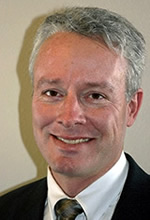
Design Engineering Consultant David Smith
David Smith
Vice President
111 W. Canyon Crest Road
Alpine UT
84004
USA
phone: 801-763-8484
fax: 801-763-5755
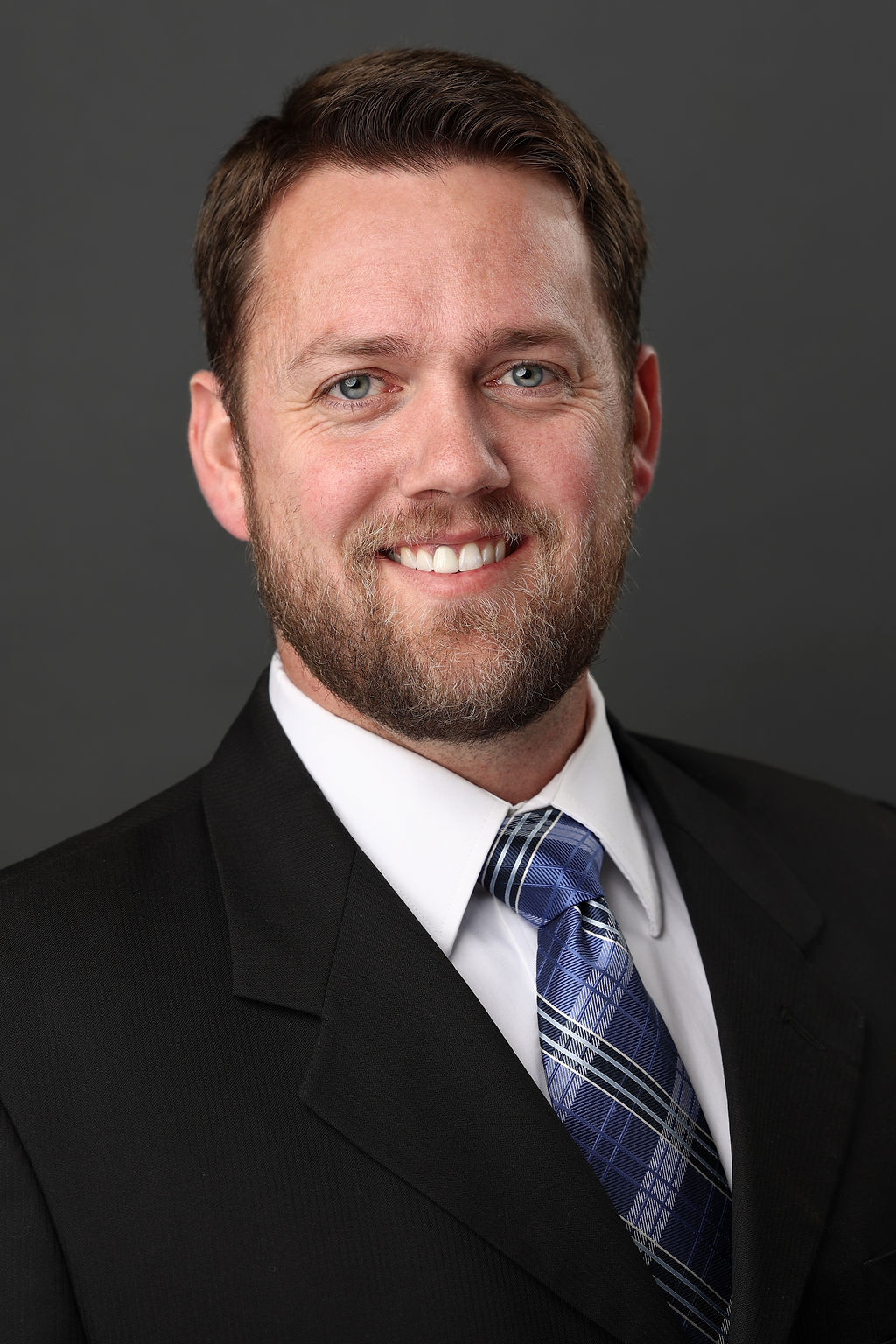
David Smith is an experienced mechanical engineer (MS, PE) with seven issued patents. Award-winning inventor. Vice President of Alpine Engineering and Design, a mechanical engineering consulting company with clients around the United States ranging from individual inventors to Fortune 500 companies. Worked on the development of multiple successful products including among other things: aerial lifts, garbage trucks, thrill rides, ziplines, trailers, oil and gas equipment, exercise equipment, manufacturing equipment, and multiple consumer products.
Graduated Cum Laude with a bachelor's degree in mechanical engineering. Completed a master's of science degree in mechanical engineering and an MBA with an emphasis in product development. Licensed professional engineer (PE) and certified safety professional in comprehensive practice (CSP). Certified trainer for boom lifts, scissor lifts, rough terrain, and counterbalanced forklifts. Over 10 years of experience in product development, patents, equipment safety, and risk assessments.
Experienced expert witness having drafted over 200 reports/declarations in patent cases and catastrophic injury and death cases. Designed and built multiple custom testing devices to obtain data and evaluate opinions. Created multiple demonstratives to explain the mechanics and circumstances of accident sequences and patented devices. Testified in deposition 11 times and in trial once.
Expert Witness Services
| Product Development
|
Featured resources
by Daniel Paine, el al
by Eric A. Woodroof
by Scott Gilbert, PhD
Follow us


