

Computer Networking Expert Witnesses
expert witnesses
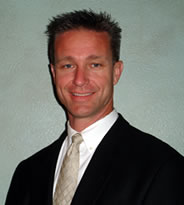
Computer Forensics Expert Matthew Albee
Matthew Albee, CFCE, EnCE, SCERS
Certified Forensic Computer Examiner
19510 Van Buren Blvd., F3-131
Riverside CA
95208
USA
phone: 951-780-7892
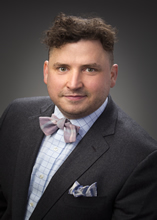
Electronic Information Expert Witness C Matthew Curtin
C. Matthew Curtin, CISSP
Founder and CEO
Columbus Headquarters
5 E. Long St., 9th Floor
Columbus OH
43215
USA
phone: 614-545-4225
Data Center Infrastructure Expert Witness Philip Isaak
Philip J. Isaak, PE, P.Eng., DCDC, RCDD, SMIEEE
Victoria MN USA
phone: 952-679-4604

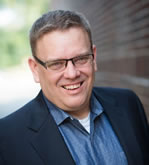 Philip J. Isaak, PE, P.Eng., DCDC, RCDD, SMIEEE, is an expert witness, consultant & trainer in the design, construction, procurement, implementation, commissioning & operations of Information Technology, Telecommunications & Critical Data Center Facilities.
Mr. Isaak provides clear analysis for complex disputes, incorporating industry standards, best-practices and over 20 years of consulting & training expertise working with clients located in 28 countries and territories across 6 continents.
In recognition of Mr. Isaak’s professional standing, the Institute of Electrical & Electronic Engineers (IEEE), the world’s largest professional association for advancement of technology, certified him to the grade of Senior Member, a level only 9% of IEEE’s over 400,000 global members hold. Mr. Isaak is also an author of several industry standards published by TIA & ANSI/BICSI, whitepapers published by The Green Grid, and the Data Center Handbook published by John Wiley & Sons.
Expert Witness Services
|
|
Areas of Expertise:
|
|
Telecommunications Expert Witness Tal Lavian
Tal Lavian, PhD
Principal Scientist
Encino CA
91316
USA
phone: 408-209-9112
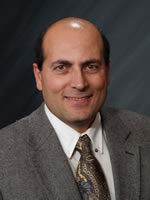
Computer Operating Systems Expert Witness Tony Mason
Tony Mason
USA, International, CAN
phone: 415-488-6691

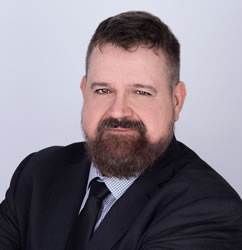 Tony Mason, PhD, is a computer systems expert witness specializing in software, operating systems, storage, source-code analysis, trade secrets, patent disputes, software defects, digital forensics, and emerging LLM/AI systems.
He has worked in systems software since the late 1980s, including distributed systems at Stanford, AFS/DCE/DFS at Transarc, and 22 years leading Windows file-system and filter-driver architecture for more than 160 technology companies. He holds a 2025 PhD in Computer Science from UBC, is the primary inventor on 12 issued U.S. patents, and co-authored lex & yacc and Windows NT Device Driver Development.
Dr. Mason has served as a testifying and consulting expert since 2003 in U.S. federal courts, the British Columbia Supreme Court, USPTO/PTAB proceedings, and an international matter. His work has included expert reports, declarations, depositions, Markman-hearing testimony, jury-trial testimony, source-code comparison, software-functionality assessment, and digital-forensics analysis. His testimony in Elmagin Capital LLC v. Chao Chen was cited by name in both the trial-court and Third Circuit decisions; in another trade-secret matter, his methodology survived a Daubert challenge.
Current research focuses on LLM systems reliability and observability.
Areas of Expertise:
- Software
- Programming/Software/Modeling
- Computers Science
- Artificial Intelligence/Machine Learning
- Intellectual Property
- Patent Infringement
- Computer/Digital Forensics
- Electronic Discovery/Evidence
- Data Management/Recover
- Computer Systems
- Computer Security
- Computer Networking
- Cloud Computing/Services
Featured resources
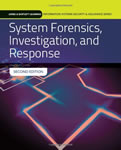
by Chuck Easttom
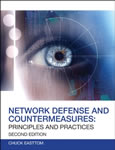
by Chuck Easttom
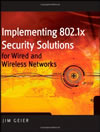
by Jim Geier
Follow us


